
Búger
History and heritage of Búger
Búger is a municipality with a rich history that goes back to ancient times. Its origins are in prehistoric times, as evidenced by the numerous archaeological sites scattered throughout the area. During the Roman occupation and Arab domination, Búger was a strategic place due to its location in the heart of Mallorca.
In the 13th century, with the conquest of Mallorca by King James I of Aragon, Búger became part of the Crown of Aragon. Over the centuries, the municipality has witnessed multiple changes, from peasant revolts to the socio-economic transformations of the modern era. Each era has left its mark, shaping the unique character of Búger.
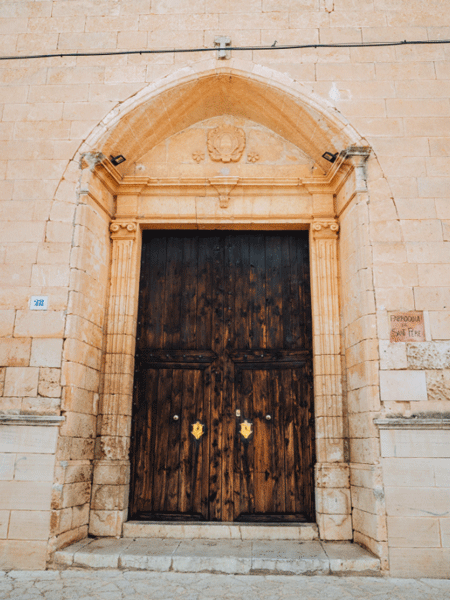
Parish Church of Sant Pere
Parish Church of Sant Pere
One of the most prominent monuments in Búger is the parish church of Sant Pere. Built in the 17th century, this church is an excellent example of Mallorcan religious architecture. Its facade and interior harbor artistic and ornamental details that reflect the devotion and talent of local artisans over the centuries. It stands out for its bell tower, which offers panoramic views of the town and its surroundings. Its facade features Baroque and Renaissance elements, while its interior houses altarpieces and paintings of great artistic value. The high altar is particularly impressive, with intricate wood carvings and gilded detailing. The church of Sant Pere is an active center of community and religious life in Búger, being the scene of numerous local celebrations and festivities throughout the year.
Windmills
Windmills
The windmills are another symbol of Búger's heritage. These old mills, historically used to grind grain, bear witness to the rural life and agricultural economy that predominated in the area. Some of these mills have been restored and offer a fascinating insight into traditional grinding techniques. The Molí d'en Sopa and the Molí d'en Toni stand out in particular. Built mainly between the 18th and 19th centuries, they were essential for grinding grain, an activity crucial to the area's agricultural economy. The Molí d'en Sopa, one of the best preserved, is located on the outskirts of the village and has been restored to show its original mechanism, allowing visitors to understand the ingenious design and operation of these structures. The Molí d'en Toni, despite being in ruins, offers an evocative vision of the past, with its stone tower and partially preserved wooden blades. The restoration of some of these mills allows tourists to appreciate the ingenuity of traditional grinding techniques and their historical importance in the daily life of Búger.
Manor Houses
Manor Houses
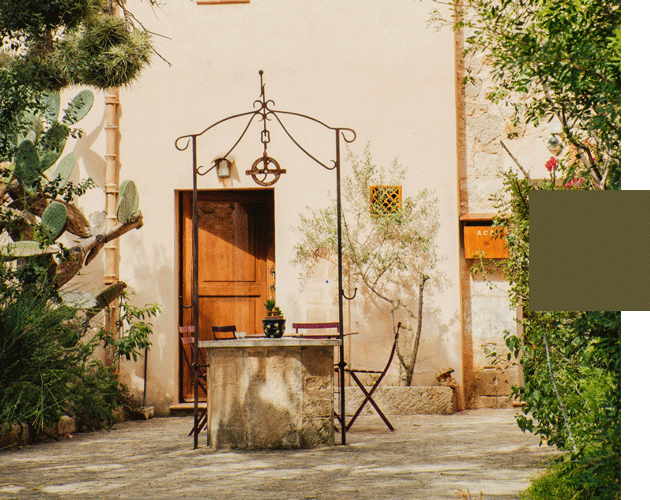
Walking through the streets of Búger is like traveling back in time. The stately houses with their inner courtyards, stone portals and unique architectural details, reflect the prosperity of the former inhabitants and the importance of the municipality in times gone by. Among the most outstanding are Can Mir and Can Vivot, which capture the essence of traditional Mallorcan architecture. These houses, with their imposing stone portals and charming inner courtyards, reflect the prosperity of the town's former inhabitants. Can Mir, with its ornate facade and decorative details in wrought iron, shows the attention to detail and the refined taste of the time. Can Vivot, on the other hand, is known for its large courtyards and gardens, offering an oasis of tranquility in the heart of Búger. These unique architectural elements not only bear witness to the historical and economic importance of the municipality, but also allow visitors to appreciate Búger's rich cultural heritage.
Archaeological sites
Archaeological sites
The archaeological sites of Búger reveal human presence since prehistoric times. These sites offer an intriguing look at the early civilizations that inhabited the island and are of great interest to archaeologists and history buffs. Among them, the Can Ferragut talaiot stands out, an important vestige of the Talaiotic culture, and the Can Favar cave, known for its prehistoric remains. These places show human presence since ancient times and are testimony to the historical and cultural value of the municipality. Human remains, ceramics and stone tools dating from the Bronze Age have been found in the Can Favar cave in Búger. These artifacts suggest that the cave was used as a place of burial and funerary rituals, reflecting the practices and beliefs of the prehistoric communities that inhabited the island. The Can Favar cave is a significant witness to the life and culture of the first inhabitants of Mallorca.


